
Our Programs
All Programs
Our organization generally solves complex social, economic, and environmental problems that are often overlooked, underserved, or unaddressed by governments and for-profit entities. Based on typical organization functions, the problems solved for vulnerable community groups generally fall into the following categories:

1.BASIC NEEDS AND SURVIVAL
- Acute Hunger and Malnutrition: Providing emergency food aid, agricultural support, and school feeding programs.
- Lack of Clean Water and Sanitation: Constructing wells, water systems, and sanitation facilities to prevent disease.
- Homelessness and Displacement: Providing immediate shelter, tents, and safety for people displaced by war, natural disasters, or persecution.

2.HEALTHCARE AND WELL-BEING
- Limited Health Access: Operating mobile clinics, vaccinations, maternal care, and sourcing expensive medications at discounted rates.
- Malnutrition in Children: Specialized feeding programs for vulnerable children.
- Mental Health Stigma and Trauma: Providing psychological support to survivors of violence, conflict, or disaster.

3. ECONOMIC AND EDUCATIONAL INEQUALITY
- Poverty and Unemployment: Offering vocational training, financial aid, microfinance, and community development projects to create self-reliance.
- Lack of Educational Infrastructure: Building schools, providing supplies, and training teachers.
- Digital Divide: Offering literacy and technology training to improve employment opportunities.

4.HUMAN RIGHTS AND SOCIAL JUSTICE
- Marginalization and Inequality: Advocating for the rights of women, children, and minority groups, and pushing for policy changes that protect vulnerable populations.
- Violence and Exploitation: Implementing protection services against sexual violence, human trafficking, and abuse, especially in conflict zones.
- Legal Insecurity: Helping communities navigate complex land rights and legal frameworks to protect their resources.
5.ENVIRONMENTAL AND SAFETY THREATS
- Climate Change Vulnerability: Assisting communities with disaster preparedness, risk reduction, and adaptation to environmental impacts like droughts and floods.
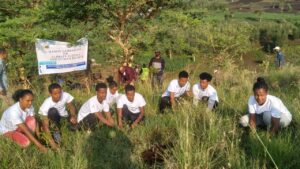
- Environmental Degradation: Combating deforestation and pollution through sustainable practices.
25+
To address these issues we have
adopted the following approaches
- Grassroots Approach:Tailoring solutions to local needs by working directly with communities.
- Advocacy:Highlighting ignored issues and lobbying for policy change.
- Flexibility:Acting quickly to deliver aid in crises where larger bureaucracies
Community Empowerment for Change
Community Empowerment for Change (CEC) is initiatives that enable local community groups to control decisions, gain resources, and build self-reliance. These initiatives aim to improve lives through education, health access, and economic opportunities, particularly for vulnerable groups.