About Us
Empowering Communities for Lasting Change
Our Story
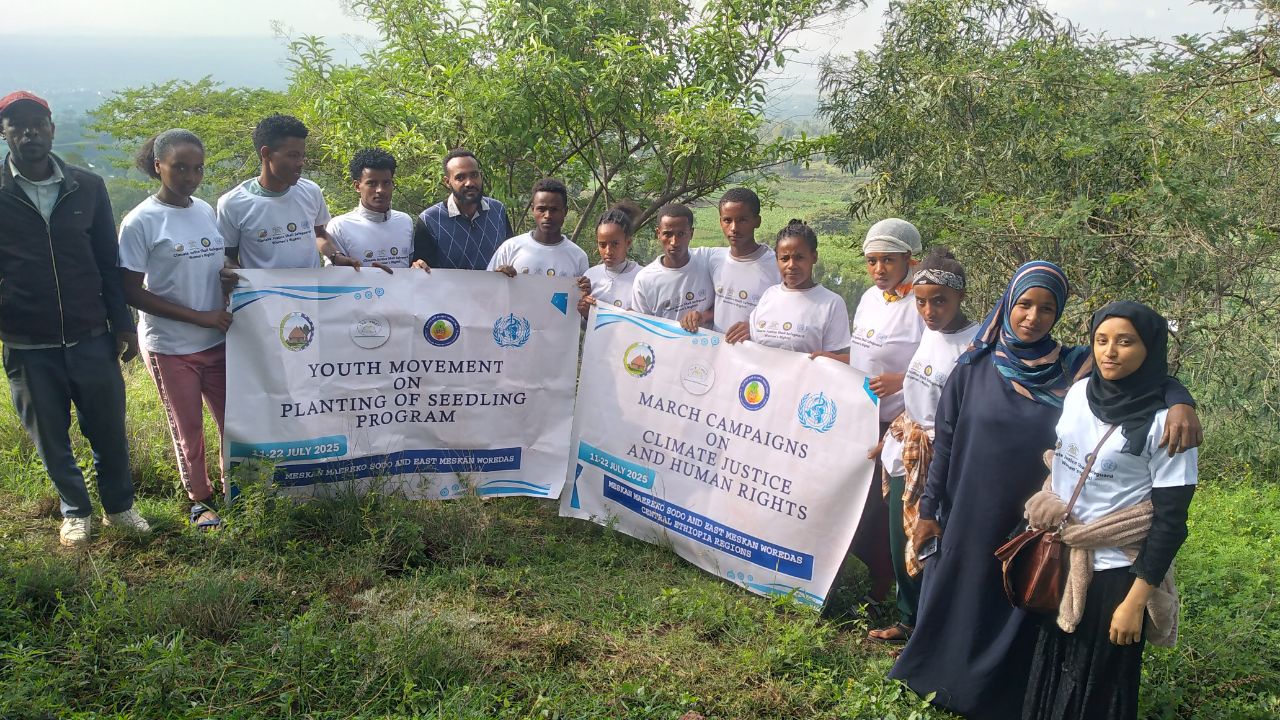
Tiret Community Empowerment for Change Association (TCECA) established on 15th May 2005 for the purpose of improving the living conditions of disadvantaged groups of the society through the interventions of various programs/ projects in partnership with the interested donors. Improving the standard of living conditions of the disadvantaged and vulnerable groups of the community is the major goal of the organization stood for. Since its establishment, TCECA has carried out several activities in capacity building, education, health, civic education and other similar activities. Currently, it has been working at hard-to-reach, risky and pastoral areas of Somali and Afar regional state of Ethiopia.
Empowering Communities for Lasting Change
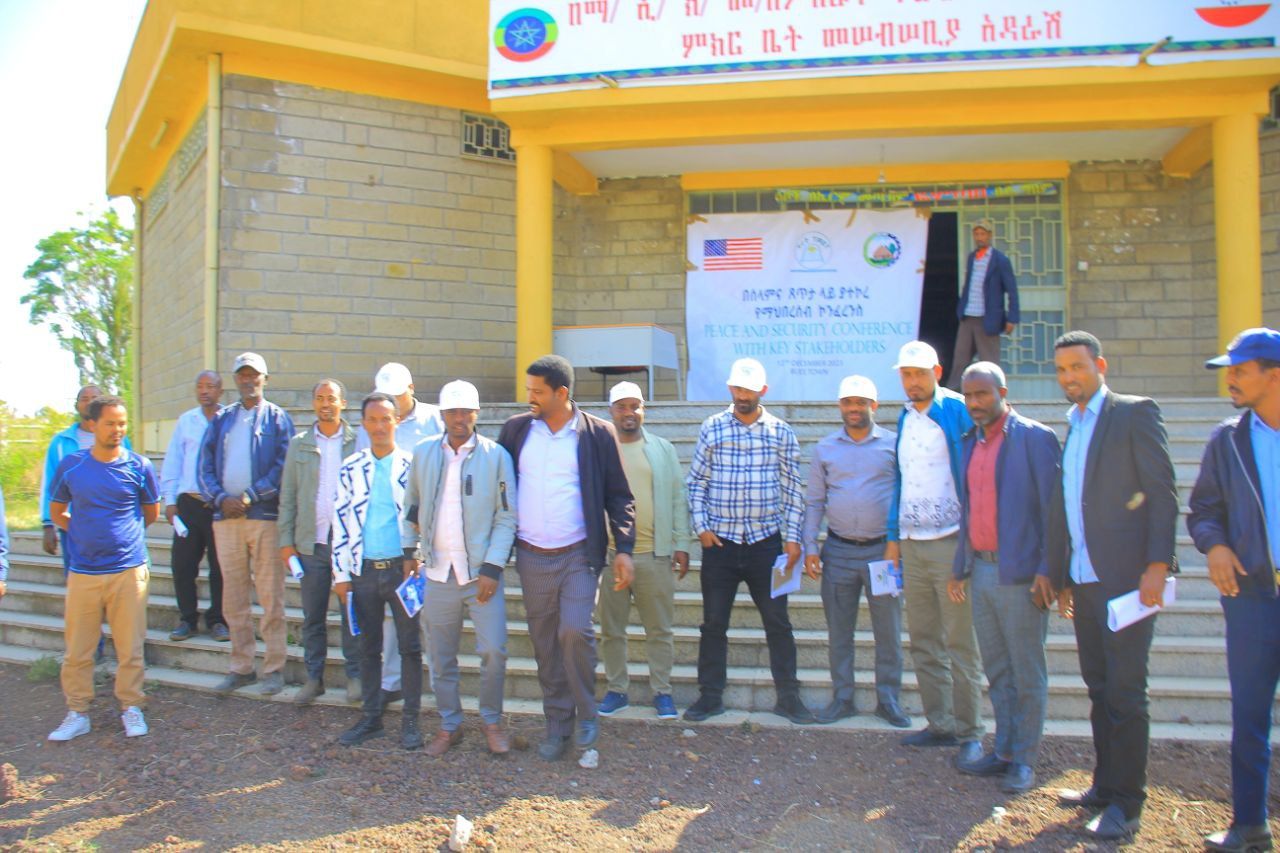
TCECA has a proven track record in the thematic areas of Civic and Voters Education, Good Governance, Social Cohesion and Human Rights. It has successfully managed programs in Civic/Voter and Good Governance Education, Climate Justice, Women and Youth Empowerment, Rule of laws, Human Rights, Peace Building, Policy Dialogue, Human Rights, Good Governance, and Civil Society Advocacy across various regions in Ethiopia. The organization and its consortium members are experienced in Project Cycle Management (PCM) and have earned commendations from donors for transparency and financial viability. TCECA has secured funding from – UNDEF, UNODC, SIDA, Global Fund, British – Council – CSSP2, GAC-Ipas Ethiopia, NEBE, ECEC, IRI, CCVEA, NED, EU-CSF, USA Embassy-USAID in Ethiopia, DFID, the Embassy of Finland, MoH-CCRDA, CSSP and others related projects on Policy Advocacy, Human Rights, Gender Equality, Peace Building, and Civic Education across Addis Ababa, Tigray, Oromia, Amhara, Afar, Somali, and Central Ethiopia.
Empowering Communities for Lasting Change!
Tiret Community Empowerment for Change Association (TCECA)
To see a prosperous and enlightened society where women and other vulnerable community groups have equitable access to all basic needs and facilities of life.
To build social and human capital through gender-sensitive and people-centered approaches, striving for self-reliance and a free-thinking society where marginalized groups enjoy equitable access to human rights.
Accountability, Transparency, Non-discrimination, Mutual Respect, Gender Equality, Commitment, Team Spirit, and Creativity
OUR TARGET GROUPS
An Attractive Call to Action Text
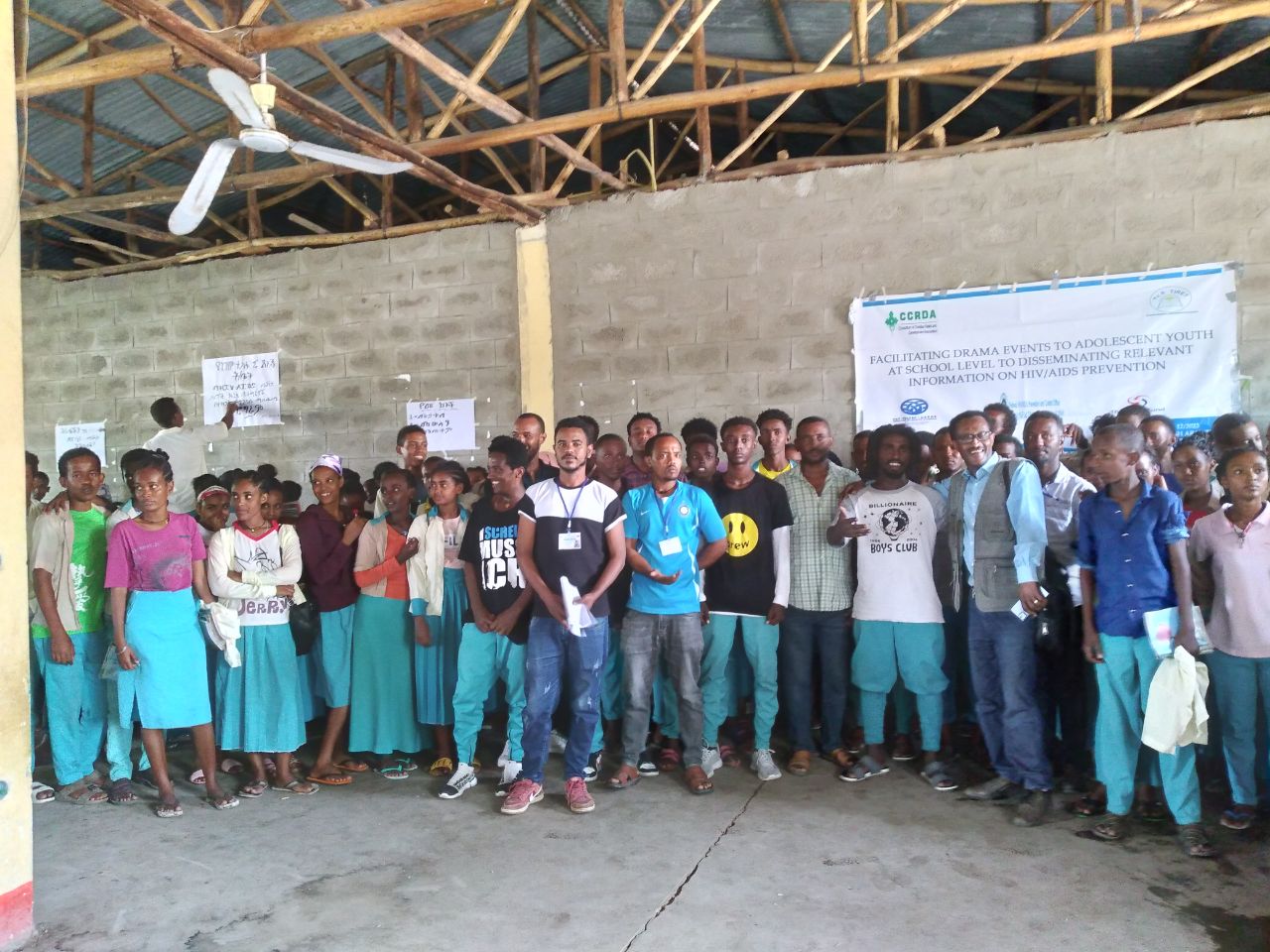
Target groups for CSO are the specific individuals or communities directly affected by a problem, which the organization intends to help through its projects. These groups, often defined by vulnerability, include children, women, refugees, rural poor, and food-insecure households. They are the beneficiaries whose circumstances the CSO seeks to improve.
COMMON TARGET GROUPS OF CSO:
- Vulnerable Populations:Children under five, youth, pregnant/lactating mothers, elderly individuals, and disabled persons.
- Marginalized Communities:Indigenous groups, minority groups, and people living in extreme poverty.
- Individuals in Crisis:Refugees, internally displaced populations (IDPs), and survivors of disasters or trafficking.
- Specific Sectors:Landless rural poor, small-holder farmers, or slum dwellers in urban areas.
- Indirect Targets (Influencers):Sometimes, CSO target groups that directly impact beneficiaries, such as teachers, parents, or local health workers.
KEY CHARACTERISTICS OF
TARGET GROUPS
- Demographics:Defined by age, gender, and education.
- Geography:Located in specific, often underserved or hazardous regions.
- Socio-economic Status:Characterized by low income, high unemployment, or lack of resources.
- Difference from Beneficiaries: While often used interchangeably, some frameworks distinguish between final beneficiaries (those whose lives are improved) and target groups (the groups responsible for the problem, or intermediaries, like local authorities that need to be trained to help the beneficiaries)